
Electrical Engineer
Who We Are
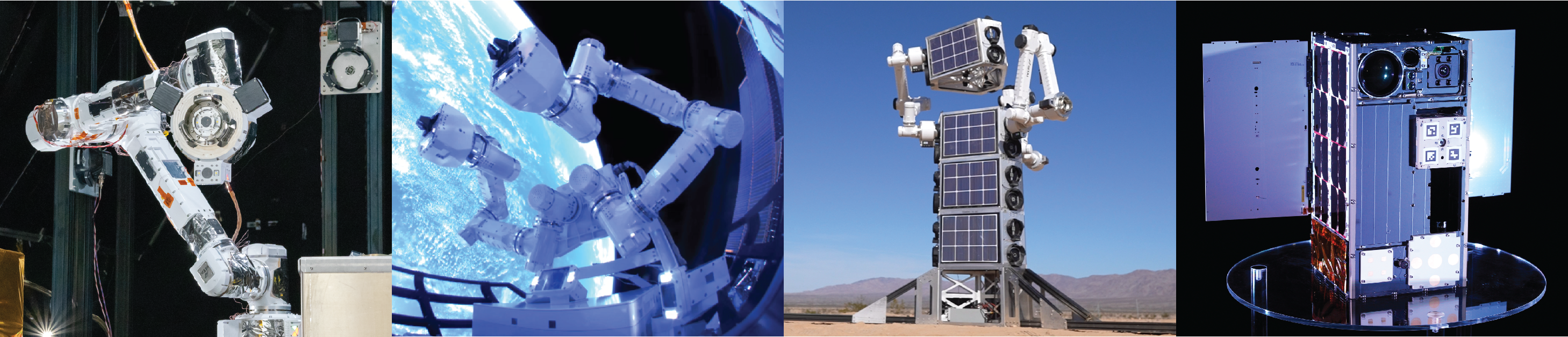
GITAI is a vertically integrated space and defense company building the next generation of hardware for low-Earth-orbit missions.
At our core is the space robotics technology that has defined GITAI from the beginning. A small, highly capable engineering team applies that foundation across satellite buses, in-orbit servicing robotics, and mission hardware for applications such as Earth observation. Today, a major focus of our work is supporting U.S. national security missions, particularly through proliferated LEO satellite constellations and other next-generation space systems.
We design, build, integrate, and test much of our hardware in-house. Electrical, mechanical, software, manufacturing, integration, and test teams work closely together, allowing a small team to own complete systems rather than isolated components. This vertical integration helps us move quickly, learn directly from hardware, and shorten the path from architecture to a working system.
We are still early. The systems, the company, and the market are all being built at the same time. Requirements change, technical problems are often ambiguous, and many answers do not yet exist. We are looking for exceptional engineers and operators who want broad ownership, can work across disciplines, and are willing to stay close to the hardware until the mission succeeds.
Your Mission
As an Electrical Engineer at GITAI, you will own board-level electrical hardware design for spacecraft, robotic systems, and space defense programs, including interceptor-related systems.
This is a PCB design and avionics hardware role. It is not primarily an embedded software, firmware, or FPGA role. We are looking for someone who has personally designed real PCBs and taken them through fabrication, assembly, bring-up, and test. Your work will not stop at the board boundary. GITAI’s hardware is tightly integrated across electrical, mechanical, firmware, software, and system-level constraints. You will work closely with mechanical engineers on packaging, mounting, connectors, harnessing, thermal paths, vibration constraints, and assembly sequence. You will work with firmware and software engineers on interfaces, bring-up, debugging, telemetry, fault handling, and test coverage.
You do not need to come from the space industry. Strong PCB designers from robotics, automotive, medical devices, industrial equipment, drones, defense, consumer hardware, or other hardware fields are welcome. Space-specific requirements can be learned after joining. What matters first is strong board-level design judgment and the ability to make hardware work inside a real system. GITAI is an early-stage hardware startup. Requirements will change, interfaces will move, and the clean answer on paper will often fail in integration. This role is for someone who can make practical trade-offs, communicate them clearly, and keep the hardware moving from design to build to test to flight-like operation.
What You’ll Drive
- Own PCB design for avionics hardware used in spacecraft, robotic systems, and space defense programs, from early architecture through schematic, layout, fabrication release, assembly, bring-up, and test.
- Design schematics and PCB layouts in Altium or similar ECAD tools, including stackup definition, layout constraints, design rules, fabrication notes, assembly drawings, and release packages.
- Make practical board-level design trade-offs across electrical performance, manufacturability, reliability, thermal behavior, packaging, component availability, testability, schedule, and cost.
- Work closely with mechanical engineers on board shape, mounting, connector placement, harness routing, enclosure constraints, thermal paths, vibration constraints, and assembly sequence.
- Work closely with firmware and software engineers on interfaces, board bring-up, telemetry, debugging, fault handling, test coverage, and hardware/software integration.
- Collaborate with systems, propulsion, and manufacturing teams to ensure avionics hardware works inside the full vehicle or robotic system, not only as a standalone board.
- Apply DFM, DFA, and DFT principles early in the design process and work directly with PCB fabrication and assembly vendors to resolve manufacturing issues before and during builds.
- Select components with attention to electrical performance, lifecycle risk, lead time, procurement constraints, package size, thermal behavior, derating, and test access.
- Bring up and debug PCBAs using lab equipment, test fixtures, firmware tools, and system-level test setups.
- Support integration, environmental testing, field testing, and failure investigations by identifying root causes and driving design changes quickly.
- Create and maintain clear engineering documentation, including schematics, layout files, BOMs, fabrication packages, assembly notes, test plans, issue logs, and design review materials.
- Move hardware forward in an early-stage startup environment where requirements change, interfaces are not always clean, and practical judgment matters more than process.
What We’re Looking For
- Bachelor's degree in Electrical Engineering, Electronics Engineering, or a closely related hardware engineering field, or equivalent hands-on experience.
- 3+ years of hands-on PCB design experience using Altium or a similar ECAD tool.
- 1+ year of full-time experience at an early-stage hardware startup, ideally Seed to Series B, is required. Internship-only experience does not meet this requirement.
- Experience personally owning PCB designs from schematic capture through layout, fabrication release, assembly support, board bring-up, and test.
- Strong practical understanding of PCB fabrication and assembly, including stackups, layout constraints, fabrication notes, component placement, inspection, DFM/DFA/DFT, and vendor feedback.
- Ability to make and explain board-level design trade-offs across electrical performance, manufacturability, reliability, thermal behavior, packaging, component availability, testability, cost, and schedule.
- Experience working with mechanical, firmware, software, systems, and manufacturing teams to integrate electrical hardware into a real product or system.
- Hands-on experience debugging PCBAs using lab equipment such as oscilloscopes, logic analyzers, power supplies, electronic loads, multimeters, and test fixtures.
- Experience with mixed-signal, power, high-speed digital, sensor, communication, motor-control, or other board-level hardware systems.
- Ability to communicate clearly, document decisions, and work through ambiguous hardware problems with urgency and discipline.
- U.S. citizenship required, as this role will support U.S. government space and defense programs and may require eligibility to obtain and maintain a U.S. security clearance.
Location & Employment Details
- Location: Torrance, CA (onsite). Travel to test sites (including Mojave and the greater Los Angeles area) is expected based on program needs.
- Employment Type: Full-Time, Exempt
- Compensation
- Base salary for this role is expected to range from $125,000 to $160,000 per year.
- Final compensation will be determined based on experience, skills, interview performance, and role fit. This position is also eligible for equity.
- Typical Work Hours: Monday to Friday, approximately 9:00am – 6:00pm (onsite). Flexibility is expected based on mission schedules and program needs.
Benefits
- Health Insurance – Platinum medical plan with 100% company-paid medical, dental, and vision coverage for employees; 90% for dependents
- 401(k) Plan – Company match up to 3.5%, with traditional and Roth options
- Equity – Stock option eligibility depending on role
- Relocation Support – Available for qualifying positions
- Time Off – 12 paid holidays per year, 12 days of paid vacation per year, and paid sick leave (in accordance with applicable law)
- Office Perks – Free snacks and drinks, plus regular team events
GITAI does not accept unsolicited resumes from staffing or recruiting agencies. We work only with recruiting partners that have been specifically engaged by GITAI. No fees will be paid for resumes submitted without a prior agreement.
Compensation may include base salary or hourly pay and, depending on the position, equity. Actual compensation will be determined based on experience, skillset, and other job-related factors.
LA salary range
$125,000 - $160,000 USD
Important Notice
- Applicants must be currently authorized to work in the U.S. This role is not eligible for visa sponsorship.
- To conform to U.S. Government space technology export regulations, including the International Traffic in Arms Regulations (ITAR), GITAI Employees must be a U.S. citizen, lawful U.S. permanent resident (i.e., current Green Card holder), or lawfully admitted into the U.S. as a refugee or granted asylum, or be eligible to obtain the required authorizations from the U.S. Department of State and/or the U.S. Department of Commerce, as applicable.
- GITAI USA is an Equal Opportunity Employer. Employment with GITAI USA is governed on the basis of merit, competence and qualifications and will not be influenced in any manner by race, color, religion, gender, national origin/ethnicity, veteran status, disability status, age, sexual orientation, gender identity, marital status, mental or physical disability or any other legally protected status.
Apply for this job
*
indicates a required field