Mechanical Engineering Intern / Co-op, Satellite Bus - Winter/Spring 2027
Who We Are
GITAI is a vertically integrated space and defense company building the next generation of hardware for low-Earth-orbit missions.
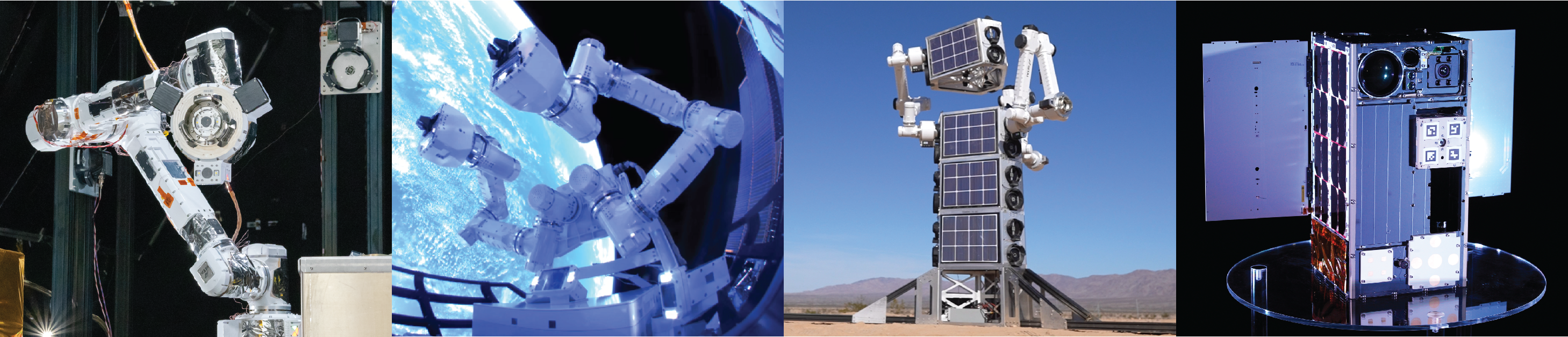
At our core is the space robotics technology that has defined GITAI from the beginning. A small, highly capable engineering team applies that foundation across satellite buses, in-orbit servicing robotics, and mission hardware for applications such as Earth observation. Today, a major focus of our work is supporting U.S. national security missions, particularly through proliferated LEO satellite constellations and other next-generation space systems.
We design, build, integrate, and test much of our hardware in-house. Electrical, mechanical, software, manufacturing, integration, and test teams work closely together, allowing a small team to own complete systems rather than isolated components. This vertical integration helps us move quickly, learn directly from hardware, and shorten the path from architecture to a working system.
We are still early. The systems, the company, and the market are all being built at the same time. Requirements change, technical problems are often ambiguous, and many answers do not yet exist. We are looking for exceptional engineers and operators who want broad ownership, can work across disciplines, and are willing to stay close to the hardware until the mission succeeds.
Your Mission
As a Mechanical Engineering Intern / Co-op at GITAI, you will join the team developing hardware for our Space-Based Interceptor program. Depending on program needs, you may work on satellite bus components, rocket motor hardware, mechanical interfaces, prototypes, ground support equipment, or test fixtures.
You will take a defined piece of hardware from an early concept into the real world. This may include creating CAD and drawings, working through manufacturing issues with technicians or suppliers, supporting assembly and inspection, preparing and running tests, and updating the design based on the results. The work moves quickly, and you may shift between your desk, the shop floor, suppliers, and test sites.
You will not be given a polished training plan or a neatly packaged assignment. The problems are real, priorities move, and the engineer guiding you may be hard to reach because they are also working against demanding program schedules. Even so, you will be trusted with a real part of the work. We expect you to take ownership, ask for help before you get stuck, find the people and information you need, accept direct feedback, and keep moving when the path is unclear.
What You’ll Drive
- Own clearly scoped mechanical hardware through design, manufacturing, assembly, testing, troubleshooting, and iteration.
- Design and update mechanical components, assemblies, interfaces, prototypes, ground support equipment, and test fixtures using 3D CAD and engineering drawings.
- Work directly with engineers, technicians, machinists, suppliers, and test personnel to turn incomplete requirements and early concepts into hardware that can be built and tested.
- Support hands-on fabrication, assembly, inspection, integration, and test activities, including hardware setup, instrumentation, data collection, teardown, and post-test inspection.
- Investigate manufacturing problems, integration issues, and test failures, then quickly apply what you learn to the next hardware iteration.
- Document hardware configurations, design decisions, build issues, test results, and lessons learned, and support field tests outside the Torrance office when required.
What We’re Looking For
We do not expect interns to arrive as finished engineers. We expect you to have built enough real hardware to know that engineering is rarely clean, and to have the drive to keep learning when the first design does not work.
You should have:
- A bachelor’s or master’s degree in Mechanical Engineering, Aerospace Engineering, Mechatronics, Robotics, or a related field, either already completed or expected to be completed during 2027.
- At least one year of sustained participation in a technically rigorous student engineering project, such as Formula SAE, rocketry, CubeSat, robotics, Baja SAE, or Design-Build-Fly, with meaningful hands-on involvement.
- Experience taking hardware through several stages of development, such as design, fabrication, assembly, testing, troubleshooting, and redesign.
- Experience using a professional 3D CAD system and reading mechanical drawings. SolidWorks experience is preferred but not required.
- A willingness to work hard, learn quickly, take direct feedback, move across functional boundaries, and do the hands-on work required to move hardware forward.
- The judgment to raise problems early, ask clear questions, and keep working through ambiguity, setbacks, and changing priorities.
- Ability to work fully onsite at GITAI’s office in Torrance, California.
- U.S. citizenship due to potential access to export-controlled and government-controlled information.
Strong Plus:
- Experience with satellite hardware, rocket propulsion, solid rocket motors, robotics, mechanisms, pressure systems, or aerospace test equipment.
- Experience owning a component or subsystem through multiple design, build, test, and redesign cycles.
- Familiarity with GD&T, tolerance analysis, machining, sheet metal, composites, welding, additive manufacturing, or bonded assemblies.
- Experience with mechanical testing, instrumentation, data acquisition, structural analysis, or thermal analysis.
- Experience working directly with machinists, technicians, suppliers, or manufacturing vendors.
Location & Employment Details
- Location: Torrance, CA (onsite). Travel to test sites, including Mojave and locations throughout the greater Los Angeles area, is expected based on program needs.
- Employment Type: Part-time, temporary, non-exempt
- Compensation: $25 - $40 per hour. Final compensation will be determined based on academic level, relevant technical experience, and demonstrated hands-on engineering capability.
- Typical Work Hours: Monday to Friday, approximately 9:00am – 6:00pm (onsite). Flexibility is expected based on mission schedules and program needs.
GITAI does not accept unsolicited resumes from staffing or recruiting agencies. We work only with recruiting partners that have been specifically engaged by GITAI. No fees will be paid for resumes submitted without a prior agreement.
Important Notice
- Applicants must be currently authorized to work in the U.S. This role is not eligible for visa sponsorship.
- To conform to U.S. Government space technology export regulations, including the International Traffic in Arms Regulations (ITAR), GITAI Employees must be a U.S. citizen, lawful U.S. permanent resident (i.e., current Green Card holder), or lawfully admitted into the U.S. as a refugee or granted asylum, or be eligible to obtain the required authorizations from the U.S. Department of State and/or the U.S. Department of Commerce, as applicable.
- GITAI USA is an Equal Opportunity Employer. Employment with GITAI USA is governed on the basis of merit, competence and qualifications and will not be influenced in any manner by race, color, religion, gender, national origin/ethnicity, veteran status, disability status, age, sexual orientation, gender identity, marital status, mental or physical disability or any other legally protected status.
Apply for this job
*
indicates a required field